
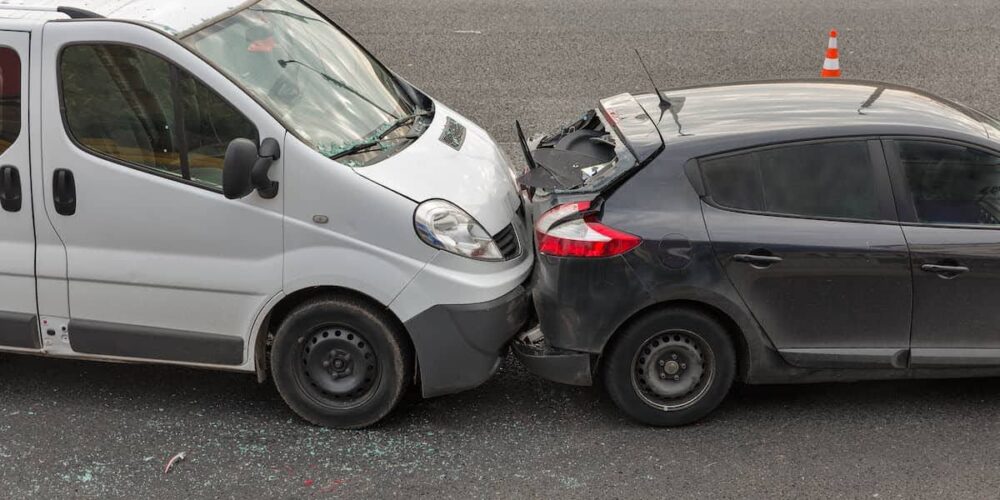
Rear End Accidents in Florida: What You Need to Know
Why Are Rear End Accidents So Common in Florida?
Let’s start with the big picture. According to the Florida Department of Highway Safety and Motor Vehicles (FLHSMV), there were over 392,000 total crashes in the state in 2023. More than 40% of those were rear end accidents. That’s nearly 160,000 rear-end collisions in one year, just in Florida! Why so many? A few major reasons:- Traffic congestion – Busy highways like I-95, I-75, and US-1 are packed with drivers, especially in cities like Miami, Orlando, and West Palm Beach.
- Distracted driving – Texting, eating, using GPS, or even changing the radio causes delays in reaction time.
- Following too closely – Many drivers don’t leave enough space between cars.
- Sudden stops – A car slams on its brakes, and the driver behind can’t react in time.
What Happens When I Get Rear Ended in Florida?
So, you're sitting at a light, minding your own business, and bam, someone crashes into the back of your car. You’re shaken, maybe sore, and wondering what to do next. Knowing the specific steps to take when you get rear ended can help you stay calm and protect your legal rights during a stressful situation. Here’s a step-by-step guide to help:1. Check for Injuries
Your safety comes first. If you or anyone else is hurt, call 911 right away. Even if you feel fine, some injuries (like whiplash or concussions) may show up hours or days later.2. Call the Police
Always call the police and get an official report. In Florida, you’re required to report any crash with injuries or damage over $500, and most rear end accidents meet that mark.3. Take Photos and Notes
Snap photos of your car, the other car, the road, any skid marks, and street signs. Jot down what happened while it’s still fresh. These details can be a big help later.4. Get Medical Attention
Even a minor crash can cause hidden injuries. Under Florida law, you must see a doctor within 14 days to qualify for personal injury protection (PIP) benefits.5. Contact Your Insurance
Florida is a no-fault state, which means your own insurance covers medical bills and lost wages, up to your policy limits, regardless of who caused the accident.Who’s at Fault in Rear End Accidents?
In most cases, the person who hit you from behind is considered at fault. Florida law says drivers must leave enough space to stop safely. But sometimes it’s more complicated. For example, if:- Your brake lights weren’t working,
- You suddenly reversed into the other car,
- Or there was a chain-reaction crash,
Common Injuries After Rear End Accidents in Florida
A lot of people brush off rear end crashes, thinking, “It was just a tap, I feel fine.” But even low-speed rear end accidents in Florida can cause real injuries that take weeks, or even months, to heal. In some cases, the pain shows up days later, and people don’t realize it’s connected to the crash. So, what happens when I get rear ended in Florida and don’t feel hurt right away? You still need to be careful. Internal injuries, concussions, or soft tissue damage aren’t always obvious at the scene. Let’s break down the most common injuries from these types of accidents, and why it’s so important to take them seriously:Whiplash
This is the injury most people have heard of after a rear end collision. It happens when your head suddenly snaps forward and then back again, like the cracking of a whip. That motion stretches the neck beyond its normal range, leading to:- Neck pain and stiffness
- Headaches
- Trouble turning your head
- Shoulder or upper back pain
Back and Spinal Injuries
When your spine absorbs the shock of a crash, it can lead to herniated or slipped discs, pinched nerves, or muscle damage. You may feel:- Lower back pain
- Tingling or numbness in your limbs
- Trouble sitting or standing for long periods
Concussions and Head Trauma
Believe it or not, you don’t have to hit your head to get a concussion. The force of a rear end impact can jolt your brain against your skull, causing:- Dizziness
- Blurred vision
- Memory loss
- Nausea or vomiting
- Trouble concentrating
Seatbelt and Airbag Injuries
Your seatbelt and airbags protect your life, but they can also leave marks. These injuries may include:- Bruised or fractured ribs
- Shoulder strain
- Facial burns or cuts from the airbag
Wrist, Knee, and Hand Injuries
Many people instinctively brace for impact by gripping the wheel tightly or planting their feet. This can lead to:- Sprained wrists
- Broken fingers
- Bruised or swollen knees (especially if your legs hit the dashboard)
Bottom Line: Always See a Doctor
Even if you feel okay after a rear end accident, go to a doctor within 14 days. Why? Because:- Florida’s no-fault law (we’ll explain that next) requires you to see a doctor within that window to get PIP benefits.
- Delaying care can make your injuries worse.
- Your health is too important to guess about.
What Does Florida’s No-Fault Insurance Actually Mean?
Florida is one of the few states with a no-fault insurance system. This means that after a crash, no matter who caused it, your own insurance pays for your medical bills and some lost wages, up to a certain limit. Here’s a quick breakdown of how it works:What is Personal Injury Protection (PIP)?
If you own a car in Florida, you’re required to carry PIP insurance. This covers:- Up to 80% of medical bills
- Up to 60% of lost wages
- $5,000 in death benefits
- Permanent
- Severe
- Life-altering (such as loss of mobility or major disfigurement)
What If the Driver Who Hit Me Doesn’t Have Insurance?
Here’s the scary part: Florida has one of the highest rates of uninsured drivers in the country. Nearly 20% of Florida drivers don’t have car insurance at all. That means about 1 in 5 crashes involves someone who can’t cover the damage they caused. So, what do you do?Your Options After Being Hit by an Uninsured Driver:
- Your PIP insurance will still cover the basics (medical and some lost wages).
- If you’ve purchased Uninsured Motorist (UM) coverage, it can help pay for:
- Medical expenses above PIP limits
- Pain and suffering
- Future treatment
What About Rear End Crashes with Multiple Cars?
You’ve probably seen those chain-reaction pileups on I-95 or in stop-and-go traffic. One car hits another, which pushes that car into the one in front of it, and suddenly, three or more cars are involved. These crashes can get complicated fast. Questions come up like:- Who hit whom first?
- Who was following too closely?
- Which driver was distracted?
In multi-car accidents:
- More than one driver might share fault
- Insurance companies often argue about who pays what
- Dashcam footage, police reports, and witness statements can make a huge difference
5 Smart Tips to Avoid Rear End Accidents
Nobody can control what other drivers do, but you can lower your chances of being involved in a rear end crash. Here’s how:- Put the phone away Even a 2-second distraction can lead to a crash.
- Leave space Follow the “3-second rule.” Pick a landmark and make sure at least 3 seconds pass between when the car ahead of you passes it and when you do.
- Keep your eyes moving Watch traffic two or three cars ahead, not just the one in front of you.
- Maintain your vehicle Bad brakes or broken brake lights can make things worse. Regular maintenance keeps you and others safe.
- Brake early and gently Sudden stops can surprise the driver behind you. Start slowing down early when approaching red lights or traffic.
Why Choose Casas Law After a Rear End Accident?
We know you’ve got options when it comes to legal help. But here’s what makes Casas Law, P.A. stand out: You speak directly with an attorney, not a call center You’re not passed around between departments We’re a small, local team that cares deeply about every case We answer our phones 24/7 We’re bilingual, we speak Spanish and English fluently We serve West Palm Beach, Lake Worth, Boynton Beach, and beyond We’re not chasing billboards or TV commercials. We’re focused on real people who need real legal support after getting rear ended.Rear End Accidents in Florida: Know What Comes Next
If you’ve been involved in a rear end accident in Florida, the steps you take next matter. Whether it’s a simple fender bender or a serious collision, knowing your rights and options can help you protect your health, finances, and future. Still wondering, “what happens when I get rear ended in Florida?” Here’s your answer:- Get medical help
- Report the crash
- Understand your insurance
- Be aware of hidden injuries
- And don’t face it alone
Let’s Talk, We’re Here for You
If you or someone you love has been rear ended, don’t go through it alone. At Casas Law, P.A., we’re ready to help you understand your legal options and protect your future. Contact Casas Law today for a free consultation, let’s talk about your case, your rights, and how we can help.
Una voz firme, tranquilizadora y calmante cuando más la necesitas
Alex Casas y su equipo son geniales. ¡Mi situación era muy complicada. El equipo de Casas Law trabajó con todos los diversos factores e hizo que todo fuera perfecto, además de mantenerme informado todo el tiempo. No habría sabido cómo maniobrar las aguas del seguro, así que estuve muy contento de que Alex estuviera allí para mí.
Alex Casas y su equipo conocían el enfoque correcto para mi demanda y lo manejaron con tacto y cuidado
Alex Casas y su equipo conocían el enfoque correcto para mi demanda y lo manejaron con tacto y cuidado. Alex es uno de los mejores abogados que he conocido, sin ego, sin pontificar, sin mostrarnos lo importante que es. Alex se dedicó por completo a el caso, con una sonrisa en su rostro y completó nuestro reclamo rápidamente, logrando los resultados que queríamos.
¡Lo recomendaría a cualquiera!
Mi padre me recomendó a Alex Casas y estoy absolutamente encantado con lo simple y fácil que hizo mi caso de lesiones por mi accidente de auto. Manejó todo hasta donde todo lo que tenía que hacer era presentarme y firmar en la línea. ¡Lo recomendaría a cualquiera!
Son muy profesionales y amables y van más allá de su deber.
Estoy muy complacido con la asistencia de Casas Law P.A. y recomendaré esta empresa a cualquiera que necesite ayuda. Son muy profesionales y amables y van más allá de su deber. ¡¡Muchas gracias por toda vuestra ayuda!!
¡Si está buscando un gran bufete de abogados y realmente, me refiero a un gran bufete, este es el mejor lugar para ir!
El bufete de abogados Alex Casas es excelente. Cada vez que me puse en contacto con el Sr. Casas y su personal, siempre fueron profesionales y amables. Todo mi proceso fue una gran experiencia. Siempre devuelven las llamadas prontamente. El personal va más allá de lo que se necesita. Me mantuvieron informado durante todo el proceso. Si está buscando un gran bufete de abogados y realmente, me refiero a un gran bufete, ¡este es el lugar para ir!
Pudieron dirigirme con preguntas de atención médica y abogar en mi nombre con las compañías de seguros.
Alex y su equipo fueron mi apoyo después de que un automóvil me atropellara mientras andaba en bicicleta. Pudieron orientarme con preguntas sobre atención médica, abogar en mi nombre con las compañías de seguros y realmente escucharme en los días en los que tenía dolor y estaba completamente frustrada con mi compañía de seguros y su falta de respuesta. ¡Sumamente recomendable!
Alex Casas es, con diferencia, el abogado más presente e involucrado con el que he tenido el placer de trabajar.
Alex Casas es, con diferencia, el abogado más presente e involucrado con el que he tenido el placer de trabajar. El personal es atento y agradable. El tiempo de respuesta es extremadamente rápido. ¡Y él es muy bueno en ganar sus casos! ¡Gracias por todo lo que ha hecho por nosotros a lo largo de los años! ¡Recomiendo enfáticamente a Casas Law!